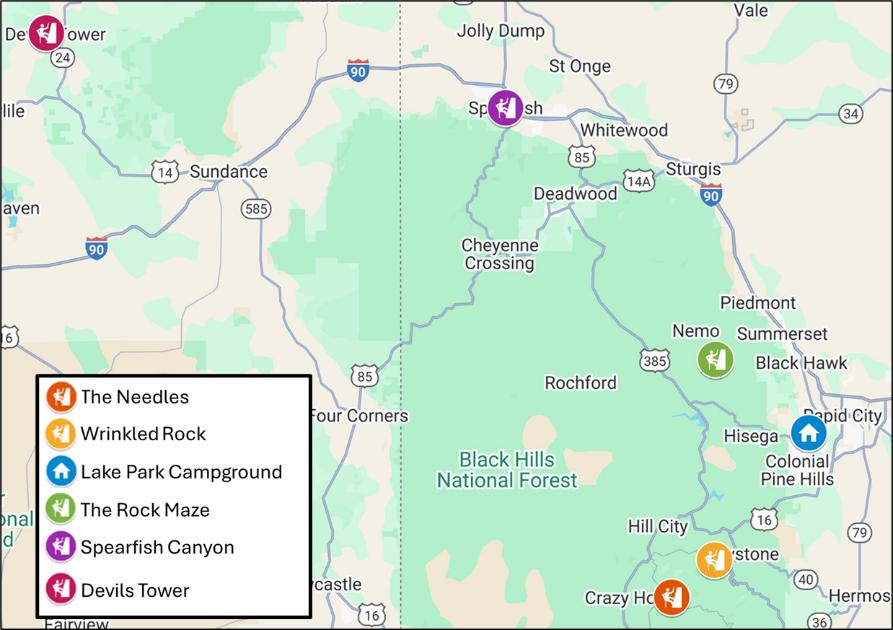
Calling all adventurers! If the sight of those majestic granite peaks around Mt. Rushmore inspires you to reach new heights, you’re in luck. The Black Hills are a rock climber’s paradise, offering a surprising variety of routes on stunning formations, all accessible from your vacation home in Rapid City, like Lake Park Campground.
WHERE TO FIND YOUR VERTICAL PLAYGROUND

The Needles (Custer State Park):
Famous for its breathtakingly slender granite pillars, towers, and spires, The Needles offer exhilarating multi-pitch trad climbing with unforgettable exposure. This region within Custer State Park is accessed from the scenic Needles Highway (SD 87/89). Areas like Sylvan Lake and the Cathedral Spires (a National Natural Landmark) are legendary among climbers for their unique face and crack climbing on granite and pegmatite formations that can reach up to 500 feet with 1 to 4 pitches.

Mount Rushmore Area (Beyond the Sculpture!):
While climbing on the Mt. Rushmore sculpture itself is strictly prohibited (and will lead to arrest!), the surrounding granite formations within the memorial and at the nearby Wrinkled Rock Climbing Area offer hundreds of well-protected sport routes, especially fantastic for those who love 5.6-5.9 climbs. Wrinkled Rock is located just off Highway 244, adjacent to the west boundary of Mount Rushmore National Memorial. Old Baldy Mountain, with a trailhead starting at the Wrinkled Rock parking lot, is also a premier bouldering destination and offers some scrambling routes.

The Rock Maze:
For bouldering enthusiasts, this area along Nemo Road (about 14 miles from Rapid City, across from the Steamboat Rock picnic area) offers juggy, steep sandstone problems in a unique labyrinth of corridors. It's considered a day-use destination with a small fee for the picnic area facilities.

Spearfish Canyon:
Head north for a change of pace with incredible limestone sport climbing. The canyon walls, lined with steep slopes capped by bands of limestone, offer everything from crimpy, small-pocket tech-fests to slightly overhanging pocketed walls and steep, burly routes. It's also a hotspot for ice climbing in the winter, with reliable ice usually accessible with short approaches.

Devil's Tower National Monument (Wyoming):
Just a scenic drive away (approximately 1.5 to 2 hours from the central Black Hills), this iconic laccolithic butte is a "crack climbers' dream," offering unforgettable traditional routes on its distinctive vertical phonolite porphyry columns. Hundreds of climbers scale its walls each summer, with the Durrance Route being a classic. A voluntary climbing closure is observed in June out of respect for Native American ceremonies.
KNOW BEFORE YOU GO:
Always Check, Always Prep: Scrutinize the forecast before you head out, but always pack for the unexpected. Summer’s intense heat (highs 70-100°F+/21.1-37.8°C) demands extra water and sun protection. Afternoon thunderstorms are common in warmer months – aim for early starts on longer routes.
NEW TO CLIMBING OR WANT EXPERT GUIDANCE?
Local Intel is Gold: Conditions on specific routes or crags can vary wildly. Always check in with local climbing shops or experienced local guides for the most current conditions and advice before committing to a climb, especially in transitional seasons. They’ll know which routes dry quickly after rain (May/June are wettest) and where ice might still be a hazard. Planning appropriately and seeking local knowledge is key to a safe and awesome experience.
Whether you’re scaling a granite spire or tackling a limestone crag, the Black Hills promise thrilling climbs and breathtaking views. After a day on the rock, returning to the comfort of your vacation home or cabin rental at Lake Park Campground will feel like pure bliss.
Many come to the Black Hills to marvel at Mt. Rushmore, and Lake Park Campground offers the perfect vacation homes in Rapid City to start your Black Hills journey. But hold onto your hats, because the adventure is just getting started! The Black Hills are bursting with incredible sights, all within easy reach.
GIANTS IN THE HILLS & SUBTERRANEAN WONDERS
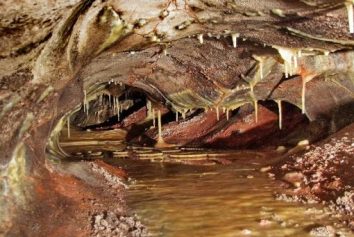
WIND CAVE NATIONAL PARK
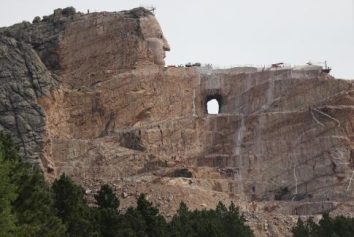
CRAZY HORSE MEMORIAL
Just a short, scenic drive from Mt. Rushmore (about 17 miles) lies another mountain carving of epic proportions. Witness the world’s largest mountain sculpture in progress, honoring the Lakota leader Crazy Horse. The visitor complex offers fascinating cultural exhibits and Native American artist performances.
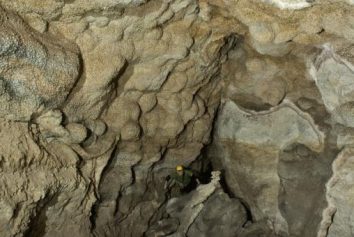
JEWEL CAVE NATIONAL MONUMENT
WILDLIFE, WINDING ROADS & WHIMSICAL STOPS
1. Custer State Park
2. The Mammoth Site in Hot Springs
3. Iron Mountain Road
Experience engineering genius on this historic road with its pigtail bridges and tunnels that perfectly frame Mt. Rushmore. Take it slow and savor the views!
4. Cosmos Mystery Area
Safety Tip:
Despite looking friendly, wildlife are just that: WILD. Do not get out of your car or approach any animals, especially buffalo, as there have been many incidents with visitors being injured.
From your cozy vacation home in Rapid City or at our RV campground, you’re perfectly poised to explore these wonders. Each offers a unique slice of Black Hills magic!
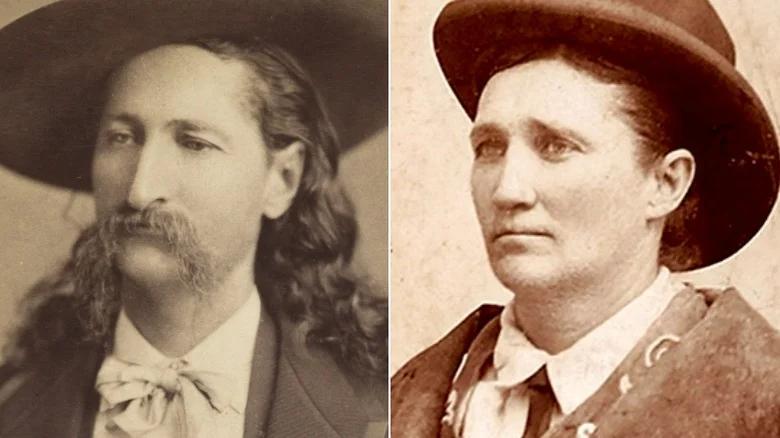
Get ready to journey back to a time of high stakes and untamed ambition! The Black Hills were once the epicenter of one of America’s most electrifying gold rushes, a period that forged legends and built fortunes from the unforgiving rock. Your homebase to history is at Lake Park Campground, whether you’re unwinding in our cozy vacation homes, settling into charming cabin rentals, or enjoying our full-service RV sites, your unforgettable journey starts here!
THE GLITTER OF GOLD AND THE BIRTH OF LEGENDS
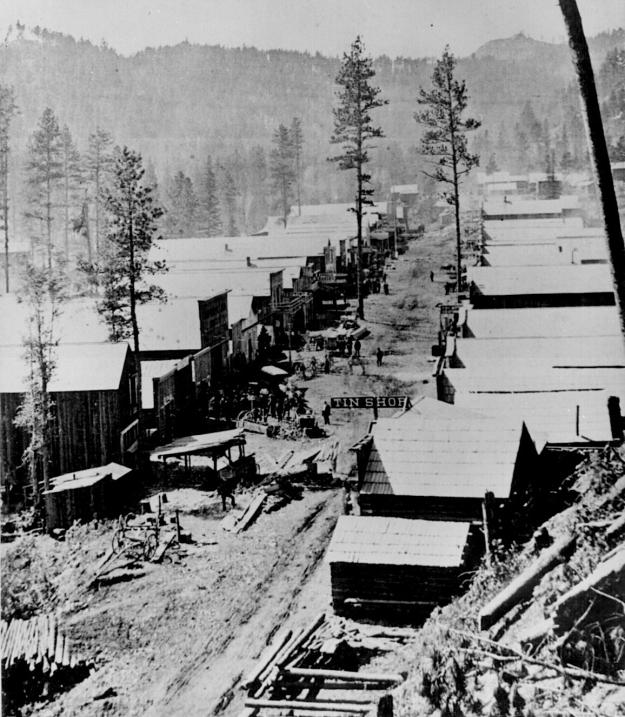
The cry of “Gold!” echoed through the nation in 1874 after Lieutenant Colonel George Armstrong Custer’s expedition confirmed its presence in French Creek. Despite previous explorations yielding little, this news ignited a firestorm, and by 1876, a torrent of prospectors, defying all obstacles, flooded into the northern Black Hills, dreaming of striking it rich.
DEADWOOD & LEAD TODAY: WHERE HISTORY LIVES AND SCIENCE SOARS
Step onto Deadwood’s brick-paved Main Street, and you’re walking through a National Historic Landmark where the Wild West still feels very much alive.
THE MOTHER LODE: THE HOMESTAKE MINE
Homestake Mine in 1900
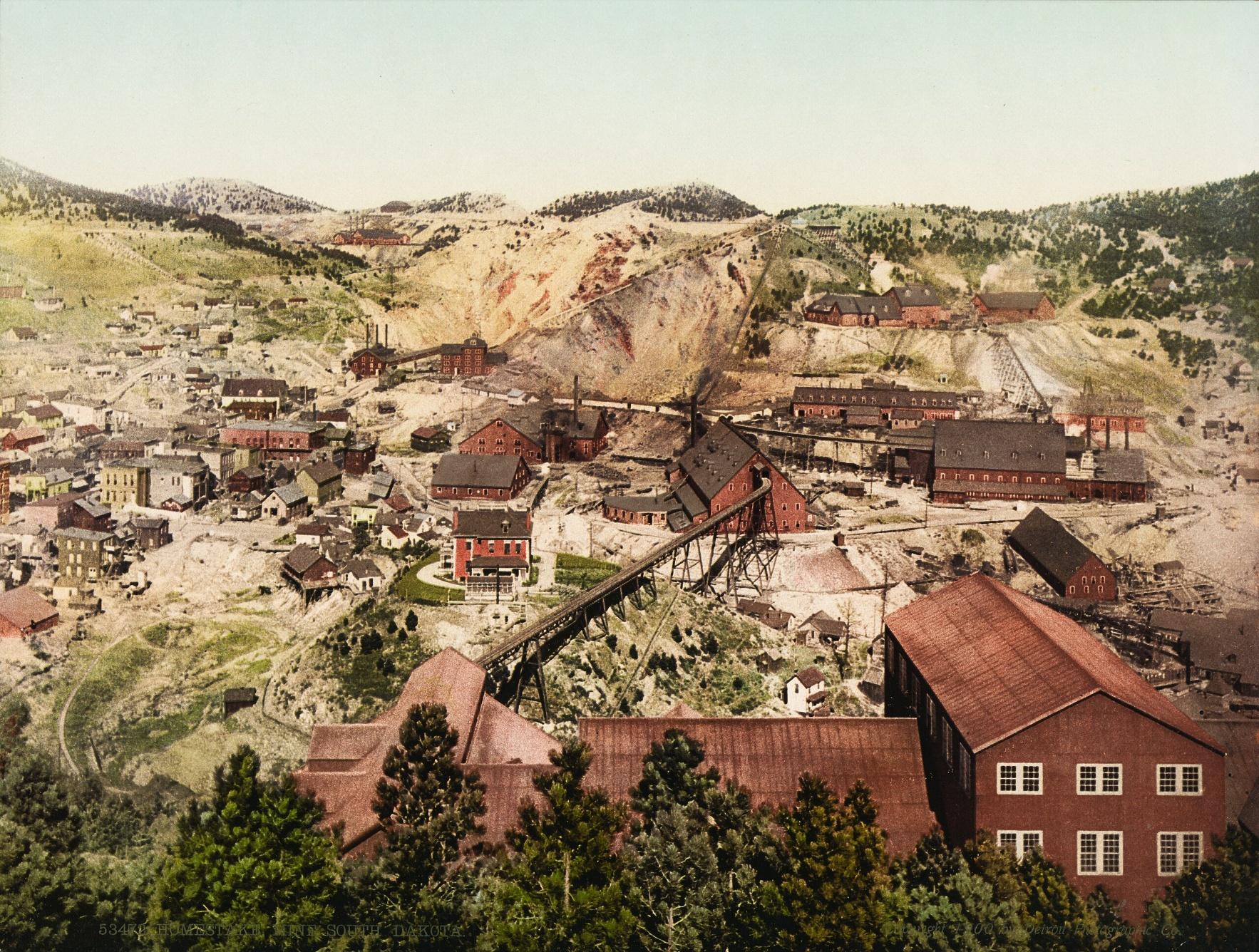
Purchased by a savvy group of investors, including George Hearst (father of newspaper magnate William Randolph Hearst), in 1877 for $70,000, the Homestake Mining Company was formed. They would develop this claim into the largest and deepest gold mine in the Western Hemisphere. For over 125 years, the Homestake Mine was a titan, producing an astonishing 10% of the world’s gold supply – more than 40 million troy ounces – before its eventual closure in 2002. The Homestake’s success was partly due to its unique “free-milling” ore, where gold could be relatively easily extracted by crushing the rock and using mercury to amalgamate the gold. Many other gold deposits in the Black Hills were “refractory,” meaning the gold was chemically bound to the rock and much harder and costlier to extract, making the Homestake truly exceptional.
EXPLORING THE HOMESTAKE LEGACY & SURF IN LEAD:
Sanford Lab Homestake Visitor Center: This is your gateway to understanding the Homestake Mine’s past and its transformation into the Sanford Underground Research Facility (SURF). Admission to the visitor center is free.
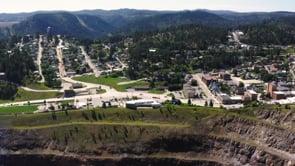
Exhibits & Views: Explore interactive exhibits on mining, the history of Lead, and the Nobel Prize-winning science now happening a mile underground. Don’t miss the observation deck overlooking the massive Open Cut, a 1,250-foot-deep iconic landmark. You can even pose for a photo in the “Davis Ring,” part of a Nobel Prize-winning experiment.
Hoistroom & Trolley Tours (Seasonal): For an up-close look, consider a seasonal trolley tour which includes a journey through historic Lead and a surface tour of SURF, including the Yates Hoistroom where you can see the massive machinery still used to support underground science. These tours offer insights into the original mining process and the state-of-the-art water treatment plant still in operation.
A MONUMENTAL DREAM RISES LATER
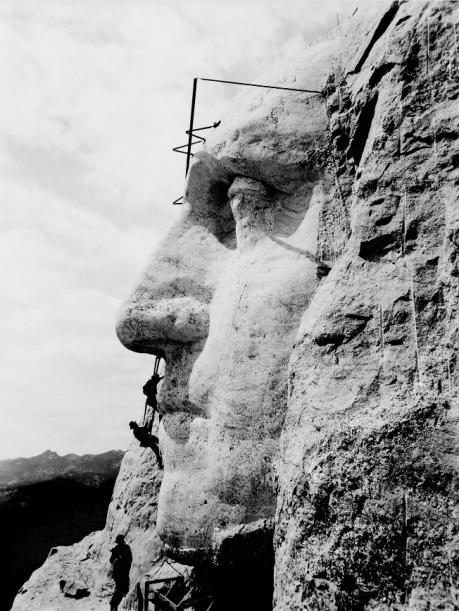
Long after the initial frenzy of the gold rush had subsided and the Black Hills had established a new rhythm; a different kind of ambition took root. The idea for Mount Rushmore was conceived in the 1920s by historian Doane Robinson, aiming to draw tourists to the state. Sculptor Gutzon Borglum then took on the colossal task of carving the “Shrine of Democracy,” with work spanning from 1927 to 1941. You can explore this incredible story of artistry and engineering at the Lincoln Borglum Visitor Center during your Mt. Rushmore visit.
When you stay at welcoming vacation homes or cabin rentals in Rapid City, like Lake Park Campground, you’re perfectly positioned to explore the vibrant legacy of this gold-fueled era. Walk the historic streets of Deadwood, imagine the clatter of the Homestake’s operations, and reflect on the sheer determination that transformed these rugged hills into a cornerstone of American history.